SuperBike8 – the independent bike price comparison

SuperBike8 – the independent bike price comparison
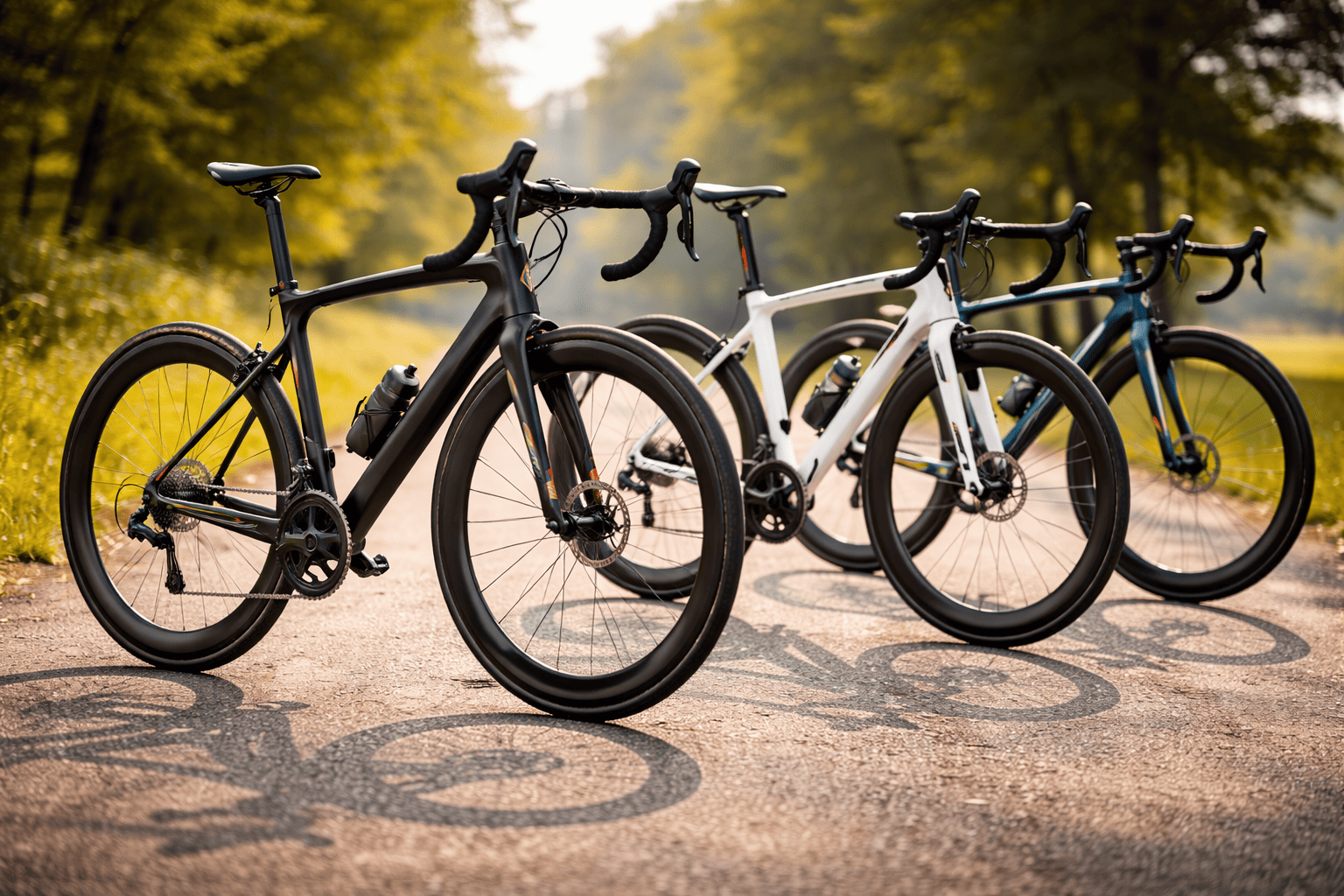
Road Bikes

Road bikes are built for speed, efficiency and sporty riding on pavement. Light frames, fast-rolling tires, drop bars with several hand positions and geometry tuned for quick riding make them the go-to choice for training, long rides, fast group rides and racing. Read more
77 offers from 2 stores
-

-

-

-
 Ribble
 Ultra-Race Shimano Ultegra Di2 12-Speed – Carbon Race Road Bike
Price range: $4,955.00 through $6,530.00View Details -
 Ribble
 Ultra-Race Shimano 105 Di2 12-Speed – Carbon Race Road Bike
Price range: $3,985.00 through $5,075.00View Details -

-

-

-

-

-

-

But modern road bikes differ a lot: an all-out race bike follows a different idea than a comfort-oriented endurance bike or an aero-optimized model.
On SuperBike8 you can compare road bikes from different brands and retailers side by side. With high-end bikes especially, don't just look at the listed price. Always compare the exact model, frame size, color, model year or generation and build kit. Groupset, cassette, crankset, brakes, wheels, tires and cockpit can differ significantly even within the same model family.
If you're shopping for racing, start with race road bikes. For long rides and a more comfortable fit, look at endurance road bikes. If you also want to ride gravel regularly, take a look at gravel bikes, and for an overview of other bike types, see bikes.
What defines a modern road bike?
A road bike is designed for efficient riding at relatively high speeds. It's not only about low weight: frame stiffness, aerodynamics, riding position, wheels, tires, gearing and ergonomics all work as one system.
The drop handlebar is typical. It offers several hand positions and allows a lower, more aerodynamic position than most flat-bar bikes. Your actual position still depends heavily on frame geometry, bar height, stem length and individual setup.
Not every modern road bike is built without compromise. Alongside pure race bikes there are comfort-oriented endurance bikes, aero road bikes and more versatile all-road designs.
Types of road bikes
| Road bike type | Focus | What to look at |
|---|---|---|
| Race | Training, racing, direct and sporty handling | Geometry, weight, stiffness and position |
| Aero | High speed and aerodynamic efficiency | Tube shapes, cockpit, wheels and position |
| Endurance | Long distances with sporty comfort | Geometry, tire clearance, gearing and contact points |
| All-road | Road riding plus rougher surfaces | Tire clearance, geometry and the manufacturer's actual specs |
These labels aren't standardized across brands. A bike marketed as a race model can be more comfortable than a similarly named bike from another brand. Always judge the specific bike and its geometry.
Race bikes: maximum performance
Race bikes are for riders who want a direct, sporty feel. They usually have a fairly aggressive position, geometry built for precise handling and light, stiff components.
That doesn't make a race bike the automatic choice for every ambitious rider. If you want to ride comfortably for five or six hours, a slightly less extreme position can make you faster in the long run because you'll tire less and have fewer aches.
If racing and hard training are your focus, compare race road bikes directly.
Endurance road bikes for long rides
Endurance bikes are designed for long distances. They typically offer a slightly more upright position, more tire clearance and comfort-oriented frame and cockpit designs.
That doesn't make them slow. For many recreational riders, a well-fitting endurance bike is actually more efficient on long rides, because a position you can hold all day matters more than a theoretically aerodynamic one you can only hold for a few minutes.
If you regularly ride centuries, gran fondos or many hours at a stretch, don't treat endurance road bikes as an entry-level category. Many high-end bikes follow this concept on purpose.
Aero road bikes: when does aerodynamics pay off?
As speed goes up, air resistance becomes more and more important. Aero road bikes shape the frame, fork, cockpit and sometimes other parts to reduce drag.
Typical features are deeper tube profiles, integrated cockpits and deeper-section wheels. How big the real benefit is depends on speed, body position, route, wind and the whole rider-plus-bike system.
An aero frame alone doesn't automatically make a bike faster. Your riding position has a big effect too – and it has to be a position you can hold with control for a long time. Compare aero and all-round road bikes if speed on flat and rolling roads is your priority.
All-road or classic road bike?
All-road bikes stretch the road concept toward versatility. They usually offer a bit more tire clearance, which makes them interesting for rough pavement and occasional hardpacked gravel.
The line to gravel bikes is blurry. An all-road bike stays clearly road-focused, while gravel bikes usually have more room for unpaved surfaces and often extra mounting points. Compare all-road bikes if you want a bit of both.
If 90 percent of your riding is on pavement with the occasional rough road or smooth gravel, an all-road bike can make sense. For regular rough gravel, focus more on tire clearance and gravel capability.
Road bike or gravel bike?
| Criterion | Road bike | Gravel bike |
|---|---|---|
| Main use | Pavement | Pavement, gravel and mixed surfaces |
| Tires | Usually narrower and road-oriented | Usually wider, built for changing surfaces |
| Geometry | From race to comfortable endurance | Often tuned for control and versatility |
| Luggage options | Often limited | More extensive on many models |
If you mainly want to ride fast on pavement, a classic road bike is closest to what you need. If you want to plan routes regardless of surface, look at gravel bikes as well.
The right frame size is crucial
Frame size matters especially on a road bike because you hold a sporty position for long periods. A frame that's too big or too small can't be fixed just by moving the saddle or swapping the stem.
Brands use sizes from XS to XL, centimeter sizes (such as 54 or 56 cm) or their own systems. These aren't directly comparable across brands: a 54 cm frame from one brand can have very different geometry from another's.
Beyond the nominal size, pay attention to reach and stack and the full geometry chart. Height and inseam give you a first idea but don't replace looking at the specific model. Our bike size calculator gives you a starting point in feet and inches.
Understanding reach and stack
Reach is the horizontal distance from the bottom bracket to the top of the head tube; stack is the vertical height between the same points. Both make it easier to compare the geometry of different bikes.
Lower stack and longer reach can give a longer, lower position. Higher stack and moderate reach support a less aggressive position.
Never look at these numbers in isolation. Stem length, spacers, bar shape, saddle position and your own flexibility also affect your actual position.
Carbon or aluminum?
Modern road bikes are mostly made from carbon fiber or aluminum. Carbon lets manufacturers use very different tube shapes and fiber layups and is used especially on light and aero frames.
Aluminum can offer very attractive value. On a limited budget, an aluminum road bike may come with a better groupset or wheels than a carbon bike at a similar price.
Carbon isn't automatically the better buy. Compare the whole bike, including frame, fork, groupset, brakes and wheels.
How important is weight?
Bike weight affects acceleration and climbing. On long climbs especially, a lighter system can help.
Weight shouldn't become your main buying criterion, though. On flat roads, aerodynamics, rolling resistance and position can matter more. The bike also has to be sturdy enough and rated for your weight and intended use.
A slightly heavier road bike with the right tires, a good position and suitable gearing can be the better choice for you than a lighter bike that doesn't fit.
Mechanical or electronic shifting?
Road bikes are available with mechanical and electronic shifting. Mechanical systems shift via cables; electronic systems use electrical signals and need a battery.
Electronic shifting can be very precise and needs little effort. It is usually more expensive and adds batteries, electronics and system-specific parts.
Mechanical shifting remains a strong option, especially if you prefer a simpler setup or want to spend more of your budget on other components.
Which groupset do you need?
Road bikes come with different groupsets and build levels. Depending on the system, a groupset includes shifters, rear derailleur, front derailleur, cassette, crankset and sometimes brake components.
More expensive groupsets can save weight, use different materials or add features. On the road, though, the groupset name isn't everything: a well-matched drivetrain with suitable gearing matters more than the most prestigious label.
When comparing, also check whether the complete groupset is fitted or whether the manufacturer mixes components from different series.
Which gearing?
The right gearing depends on your terrain and fitness. Flat routes, fast group rides and racing call for different gearing than long mountain rides.
What matters is the combination of chainrings and cassette. Terms like compact or semi-compact are a first hint but don't replace looking at the actual tooth counts.
If you ride long, steep climbs often, make sure the easiest gear is low enough. Gearing that suits a pro racer won't necessarily suit a recreational rider.
Disc brakes or rim brakes?
Hydraulic disc brakes are now standard on most current road bikes, but you'll still find models with rim brakes or other systems.
Disc brakes free the braking system from the rim and give manufacturers more options for tire width and wheel design. Rim brakes can be lighter and simpler.
Don't just filter by "disc brake" when comparing. Check the actual brake system, calipers and rotors. On high-end bikes, different versions can make a real difference in weight and spec.
Which tire width?
Road tires have become wider on many bikes over recent years. The right width depends on frame, rim, rider weight, road quality, preferred pressure and personal taste.
With the right setup, wider tires can add comfort and grip without being automatically slower. Very narrow tires aren't always the fastest choice.
What counts is the manufacturer's maximum tire clearance. The actual maximum width can also depend on the rims, the tire's real width and the available frame clearance. See road and triathlon tires for options.
Tubeless or tubes?
Road bikes use both tubes and tubeless setups. With tubeless, you ride without a separate inner tube, as long as the tire and rim are compatible and set up correctly.
Sealant can close small punctures and, depending on the combination, allows different pressure ranges. Tubeless setups need regular checks and maintenance.
If tubeless matters to you, check that both rim and tire on the specific bike are tubeless-ready.
Wheels: one of the biggest differences between builds
Wheels affect weight, acceleration, aerodynamics, crosswind handling and ride feel. On high-end road bikes they can account for a large share of the price difference between two build levels.
Light wheels are great for frequent accelerations and climbs. Deeper rims can bring aero benefits but, depending on design and conditions, react differently in crosswinds.
Not every rider needs carbon wheels. Quality aluminum wheels can perform very well and are a sensible choice on a budget.
Integrated cockpit: pros and cons
Many modern road bikes use heavily integrated cockpits. Cables and hoses can run inside the bar, stem or frame, giving a clean look and aero benefits.
Keep in mind that a highly integrated system can make adjustments harder. If you later want to change stem length, bar width or position significantly, you may need extra parts or more involved work.
That's why getting the frame size right from the start matters even more.
Which bar width?
Bar width affects ergonomics, control and aerodynamics. Manufacturers fit different widths depending on frame size and model.
A wider bar isn't automatically more comfortable, and a narrow bar isn't automatically more aerodynamic for every rider. Shoulder width, riding style, flexibility and personal preference all play a role.
With integrated cockpits it's especially worth checking, since swapping is more involved than with a separate bar and stem.
Pedals are often not included
Many road bikes ship without pedals so buyers can choose their own pedal system.
When comparing prices, check whether pedals are included. If not, add them to your real budget.
Sporty road riding usually means clipless pedals. Whether you want them depends on your experience, riding and preference.
A professional bike fit beats choosing the most aggressive size
On a road bike, your position affects not only comfort but also control, power transfer and aerodynamics. An extremely low position does little good if you can't hold it.
For frequent or very long rides, a professional bike fit can be worthwhile. A fitter looks at saddle height and setback, bar height, reach to the cockpit and contact points. Many local bike shops offer fitting services.
A bike fit can't fully correct a frame that's the wrong size, though. Choosing the right frame is still the first step.
Road bikes for beginners: what really matters
Beginners don't automatically need the cheapest model, but they don't need a top-end race bike either. What matters is a bike that fits and has sensible equipment for the rides you plan.
Especially important:
- the right frame size and geometry,
- gearing low enough for the climbs you'll ride,
- reliable brakes,
- comfortable, suitable tires,
- smooth, dependable shifting,
- a realistic position instead of unnecessarily aggressive geometry.
Components can be upgraded later. A frame that doesn't fit is much harder to fix.
Road bikes for long distances
On long rides, ergonomics matter more. Small issues with the saddle, hand position or frame size become much more noticeable after several hours.
For long rides, don't choose on weight and aerodynamics alone. A good position, suitable tires, a wide enough gear range and several usable hand positions can matter just as much.
Endurance bikes aren't just for easy riding – they can be the best choice for very long, fast days.
Road bikes for climbing
If you mostly ride in hilly or mountainous terrain, weight and gearing matter more. At the same time, don't overlook braking and stability on long descents.
A very light bike with gearing that's too hard for you can climb worse than a slightly heavier bike with the right gear range.
Check the chainrings and cassette and don't rely only on labels like "climbing bike" or "race".
Road bikes for flat, fast routes
On flat routes, aerodynamics and rolling resistance matter more than a few hundred grams of weight. Aero frames, suitable wheels and an efficient position can pay off.
Still, don't ignore ergonomics. The most aerodynamic position in theory is useless if you can only hold it for a few minutes.
Always compare model year and generation
Manufacturers sometimes change road bikes significantly between generations. Beyond colors, the frame shape, geometry, cockpit, tire clearance, groupset and wheels can change.
An older model year can be a great deal, but it shouldn't automatically be considered technically identical to the current model.
If you see a big price difference, first check that you're comparing the same generation.
Compare builds precisely
Road bike model families often come in many build levels. A single extra word in the name can mean a very different configuration.
Always check:
- Model: Is it exactly the same model line?
- Frame size: Is your size available?
- Color: Does the price apply to the same variant?
- Model year or generation: Is the frame technically identical?
- Frame material: Aluminum or carbon?
- Shifting: Mechanical or electronic, and which groupset?
- Crankset and cassette: Which gearing actually ships?
- Brakes: Which brake system is fitted?
- Wheels: Aluminum or carbon, and which model?
- Tires: Check model, size and version.
- Cockpit: Integrated or separate, and which dimensions?
- Pedals: Are they included?
Only when these points largely match is a direct price comparison really meaningful.
Buying a road bike on sale: look beyond the percentage
Previous model years, leftover sizes or single colors are often sold well below MSRP. That can be a great opportunity if the specific bike fits you.
A big discount alone doesn't make an offer attractive, though. What matters is the actual price for a comparable build.
On road bikes, different wheels or a different groupset alone can explain price gaps of several hundred or even a thousand dollars or more.
How much should a good road bike cost?
There's no single price threshold for a good road bike. The range goes from simple entry-level models to high-end race bikes with carbon frames, electronic shifting, integrated cockpits and carbon wheels.
First define which features you really need. Someone who does two sporty rides a week has different needs than someone who races regularly.
That way you avoid both overspending and buying a bike that lacks something important.
New or refurbished?
Depending on what retailers currently offer, SuperBike8 may also list clearly labeled refurbished or used road bikes alongside new ones in used and refurbished. Always factor condition into your comparison.
For bikes that aren't brand new, check the retailer's condition description, signs of wear, replaced components and what's included.
Compare road bikes on SuperBike8
SuperBike8 is a price comparison site, not a bike retailer. You compare models and offers from different retailers and then go to the store you choose.
Ordering, payment, shipping, returns and customer service are handled by that retailer. Double-check all details on the retailer's site before you order.
With road bikes, the exact model, the right frame size, color, model year or generation and the complete build are especially important. That's the only way to compare truly equivalent offers.
Three typical road bike buying decisions
1. I'm just getting into road cycling
Focus on geometry, frame size, sensible gearing and reliable components. A quality aluminum frame or a well-priced carbon model can both be good choices. You don't need the lightest or most expensive build right away.
2. I ride long, sporty rides
Then give endurance road bikes a close look. A position you can hold for hours, wide enough tires, suitable gearing and a well-fitted cockpit can matter more than maximum stiffness or minimum weight.
3. I want to race and get maximum performance
Then race geometry, aerodynamics, weight, wheels and precise shifting come to the fore. The right frame size still matters most. A brilliant race bike does little if you can't ride its intended position efficiently.
Your checklist before you order
- Is it exactly the road bike model you want?
- Does the frame size fit you and the manufacturer's geometry?
- Is it a race, aero, endurance or all-road bike?
- Which color is actually offered?
- Which model year or generation are you buying?
- Is the frame aluminum, carbon or another material?
- Which groupset is fitted?
- Is shifting mechanical or electronic?
- Which chainrings and cassette are installed?
- Does the gearing suit your terrain?
- Which brakes are fitted?
- Which wheels come with this build?
- Which tires and tire width are included?
- What's the maximum tire width the manufacturer allows?
- Is the cockpit integrated, and do bar width and stem length suit you?
- Are pedals included or sold separately?
- Is it new or a clearly labeled refurbished bike?
- Is your frame size actually in stock at the retailer?
- What shipping, payment and return terms does the retailer offer?
Frequently asked questions about road bikes
What is a road bike?
A road bike is a sporty bike designed mainly for efficient, fast riding on pavement. Typical features are drop bars, a sporty position and components tuned for low weight, efficiency or aerodynamics.
Which road bike is best for beginners?
For beginners, a well-fitting bike with suitable geometry and sensible gearing matters most. An aggressive race bike or a top-end groupset isn't necessary. Endurance or balanced all-round road bikes are often a good fit.
What's the difference between a race bike and an endurance bike?
Race bikes are typically built for direct performance, low weight and an aggressive position. Endurance bikes usually have a less extreme position and are aimed at long distances. The exact design varies between brands.
Is a carbon road bike better than aluminum?
Not necessarily. Carbon allows very light, precisely shaped frames. Aluminum can offer excellent value. What counts is the whole bike, not just the frame material.
How important is weight on a road bike?
Weight matters mostly when accelerating and climbing. On flat routes, aerodynamics and rolling resistance can matter more. The best choice depends on your overall riding.
What size road bike do I need?
The right size depends on your height, inseam, proportions and the geometry of the specific bike. Size labels from different brands aren't directly comparable, so use each model's geometry and size chart.
Mechanical or electronic shifting?
Both work very well. Electronic shifting changes gears electrically and can add features depending on the system. Mechanical shifting is simpler and can be better value. Choose what fits your budget, riding and maintenance preferences.
What tire width makes sense on a road bike?
That depends on frame clearance, rims, rider weight, road quality and your needs. With the right pressure, wider tires can add comfort and grip. Always check the maximum width allowed for the specific bike.
Can I ride a road bike on gravel?
Short stretches of smooth, hardpacked gravel can work depending on the tires and bike. Classic road bikes are designed mainly for pavement, though. If gravel is a regular part of your rides, an all-road or gravel bike may suit you better.
Do I need an aero road bike?
Not necessarily. An aero bike makes sense if you often ride fast on flat or rolling roads. For long mountain rides or comfort-oriented rides, other priorities can matter more.
Why do prices for the same road bike model vary so much?
Frame size, model year, color or build often differ. Groupset and wheels in particular can cause big price gaps. Always compare model, size, generation and the exact components.
Do I buy the road bike directly from SuperBike8?
No. SuperBike8 is a price comparison site, not a retailer. You compare offers from different retailers and buy from the one you choose. Ordering, payment, shipping, returns and customer service are handled there.