SuperBike8 – the independent bike price comparison

SuperBike8 – the independent bike price comparison
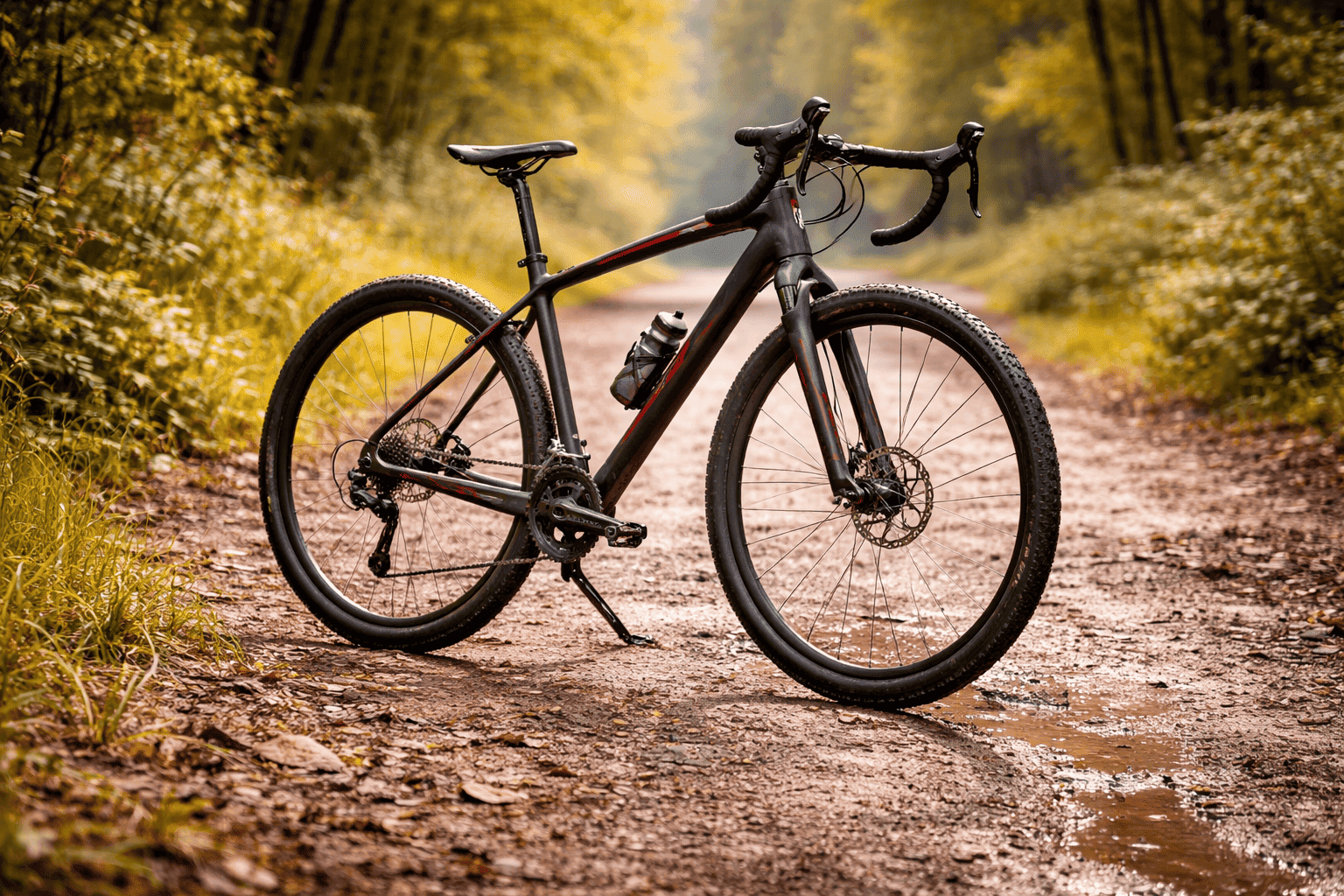
Gravel Bikes

Gravel bikes are built for riders who want to cover paved roads, gravel paths, and suitable dirt roads on one drop-bar bike. They combine road-bike-style handlebars with features that can make rougher surfaces more manageable, such as wider tire clearance, disc brakes, and geometry intended for mixed-surface riding. Read more
21 offers from 1 store
-
 Ribble
 Ultra-Grit SRAM Red XPLR AXS – Carbon Gravel Bike
Price range: $8,595.00 through $8,620.00View Details -

-

-

-

-

-

-

-

-

-

-

The exact balance varies: some models lean toward fast road riding, while others make room for wider tires, lower gearing, and accessories for longer trips.
Your choice depends on where you ride most and what you expect the bike to carry. Tire clearance and fit can matter more than a small difference in listed weight if your routes are rough or your rides are long. Gearing, mounting points, and brake setup also affect whether a bike suits quick after-work loops, everyday riding, or loaded outings.
On SuperBike8 you can compare gravel bikes and retailer offers, then continue to the retailer for the offer you choose. You can also browse the broader bike category or compare the different priorities of road bikes. Ordering, payment, shipping, returns, warranty, and customer service are handled directly by the respective retailer.
What makes a gravel bike different?
A gravel bike is a drop-bar bike intended for a wider range of surfaces than a typical road setup. Its frame and fork may provide more room for wider tires, and its geometry may favor stability and comfort on loose or uneven ground. Disc brakes are common, but equipment and design differ by model, so check the product details rather than assuming a particular specification.
Gravel bikes are not all-purpose bikes in the same way. A model designed around fast group rides may have a sportier position and less room for luggage. A bike intended for long days on mixed terrain may emphasize a more upright fit, extra mounting points, and gearing suited to climbing. Neither approach is automatically better; the useful choice depends on your routes, pace, and load.
Compare gravel bike designs by intended use
| Design emphasis | May suit you if… | What to check |
|---|---|---|
| Fast mixed-surface riding | You ride mostly paved roads and smoother gravel and value an efficient, responsive feel. | Fit and handlebar position, tire clearance, gearing for your climbs, and whether the tires match your surfaces. |
| All-day comfort and versatility | Your rides include varied surfaces, changing conditions, or many hours in the saddle. | A comfortable fit, appropriate tire width, useful gear range, and compatibility with fenders or other accessories if needed. |
| Loaded trips | You plan to carry bags or supplies on longer rides. | Mounting points, permitted load information, low climbing gears, and the handling of the bike with your intended luggage. |
Tires, clearance, and wheel setup
Tires are one of the most consequential parts of a gravel bike. Wider tires can provide more air volume and may offer a more comfortable ride on rough surfaces, depending on tire construction, pressure, rider weight, and terrain. Narrower tires can feel more at home on smooth pavement, but may be less suitable for loose or broken surfaces. The best width is not universal: use the manufacturer’s stated clearance and consider the actual tire casing, not only the number printed on the sidewall.
Frame and fork clearance determine which tires can fit, but clearance alone does not tell you which tires are included with a particular offer. Check the product specification for the installed tire size and the maximum compatible size. Also confirm whether any stated maximum assumes a particular rim or tire model. If you expect to ride muddy routes, leave enough room for debris rather than choosing a fit that is only just within a nominal limit.
Many gravel bikes use 700c wheels, while some models are offered or configured with 650b wheels. Wheel size and tire width work together, and compatibility depends on the frame and fork. Do not assume a wheel-size change is possible just because the bike has generous tire clearance. Check the manufacturer’s specifications before planning a different wheel or tire setup.
Tubeless-ready wheels and tires can be useful for riders who want to run a compatible tubeless system, but “tubeless-ready” does not mean a complete setup is always included. Sealant, valves, and setup work may be needed. If you prefer tubes or want a straightforward replacement option while traveling, check what the bike comes with and what the wheels support.
Gearing for your routes
Gravel bikes commonly use either a single chainring in front or two chainrings. A 1x setup has one front chainring and a wide-range rear cassette on many models. It simplifies shifting and removes a front derailleur, which can be appealing on rough routes. The trade-off is that the jumps between gears may be larger, and the available high and low gears depend on the chainring and cassette combination.
A 2x setup has two front chainrings and can provide smaller steps between gears across a broad range. That can be useful if you ride long paved sections at a steady pace as well as climbs. It adds a front derailleur and another shifting control, and its gearing still needs to be checked as a complete system. Compare the actual chainring and cassette ranges rather than relying only on the label “1x” or “2x.”
For steep climbs, especially with a loaded bike, prioritize an appropriately low climbing gear. For flatter routes and faster pavement, closer steps between gears may help you maintain a comfortable cadence. If your rides include both, compare the lowest and highest available gears and consider the terrain you actually encounter.
Brakes and control
Disc brakes are widely used on gravel bikes and can provide consistent braking in varied conditions when correctly set up and maintained. Models may use different disc brake designs and component levels. Hydraulic disc brakes use fluid to transmit force at the caliper; mechanical disc brakes use a cable. Hydraulic systems can offer a different lever feel and require specific servicing, while mechanical systems use cable adjustment and compatible brake parts. Check the exact specification, not just the product photos.
Rotor size, brake calipers, levers, and mounting hardware must work together. If you plan to replace or upgrade components, confirm compatibility with the frame, fork, wheels, and existing brake system. For routine riding, proper pad condition and brake adjustment matter more than choosing a component based on its name alone.
Frame material and ride priorities
Aluminum and carbon fiber are common frame materials, while some gravel bikes use steel or other constructions. Material can influence weight, cost, stiffness, and how a frame is designed, but it does not determine ride comfort by itself. Tire choice, frame geometry, seatpost, handlebar, and fit all contribute to how the bike feels.
| Material | Practical considerations | Check before choosing |
|---|---|---|
| Aluminum | Often used for a balance of cost, durability, and weight. Frame design and component choices vary substantially. | Compare the complete build and fit, not material alone; look at tire clearance and the equipment included. |
| Carbon fiber | Can allow manufacturers to tune frame shape and stiffness. Construction and repair considerations depend on the specific frame. | Check the frame and component specification, intended use, and manufacturer guidance for inspection and care. |
| Steel or other materials | Can appeal to riders for particular ride qualities or practical design choices; weight, finish, and care needs depend on the model. | Review the exact frame details, protective finish, equipment, and intended riding conditions. |
Compare complete bikes at similar equipment levels when possible. A frame material by itself does not tell you the quality of the drivetrain, wheels, brakes, or finishing kit. A less expensive frame paired with components that fit your riding may be a better choice than paying extra for a material that does not address your needs.
Fit, geometry, and comfort
Fit is essential on a gravel bike because you may spend long periods in the saddle and change hand positions across the drop handlebars. A bike that is too long can make the reach uncomfortable; one that is too short can feel cramped or affect control. Frame size labels are not standardized across manufacturers, so do not choose based on a size name alone.
Use the manufacturer’s size chart for the exact model and compare its recommended rider measurements with your own. Inseam can help narrow down a size, while reach and stack describe aspects of the frame’s horizontal and vertical fit. These frame measurements are useful for comparing bikes, but they do not replace a complete fit check: stem length, handlebar shape, saddle position, and your proportions all matter.
Pay attention to handlebar width, drop, and reach as well as the frame. A comfortable position should let you use the brake levers confidently from the hand positions you expect to use. If you are between sizes, do not assume that sizing down or up is always the answer; compare the model’s geometry and ask a qualified bike shop to help assess your fit.
Mounting points and everyday practicality
Some gravel bikes include mounts for water bottles, fenders, or luggage; the number and placement differ by model. If you ride in wet weather, confirm that the bike supports the fenders you want and check whether they fit with your chosen tire size. If you plan to carry bags, look for the relevant mounts and verify the manufacturer’s guidance on compatible accessories and loading.
Do not assume every mounting point is intended for every kind of luggage. Frame bags, fork-mounted accessories, and racks can have different fit and load requirements. Check the bike’s instructions and any limits specified for the frame or fork. A bike with fewer mounts can still work well for unladen rides, while a touring-style setup may call for more accessory compatibility.
Compare complete specifications and retailer offers
Two gravel bikes with similar names may differ in frame material, drivetrain, brakes, wheels, tires, and color. Compare the exact model and version rather than relying on a product image or a general description. Confirm the selected frame size and color, and check whether the listing is for a complete bike or a particular component or package.
Retailers can list different prices for different sizes or colors, and previous-year models or older colorways may be discounted. They can still be worthwhile if the specification suits you, but model names can remain similar while technical details change. Check the year and component list carefully before comparing offers. Shipping costs and sales tax can also affect the total price.
On SuperBike8 you can compare available products and retailer offers. Once you choose an offer, you continue to the retailer. Check the retailer’s listing for shipping details and whether the bike arrives partially assembled or requires additional setup. Ordering, payment, shipping, returns, warranty, and service are handled directly by that retailer.
Typical gravel bike buying mistakes
- Choosing by frame size label alone: Size names vary between manufacturers. Use the model-specific chart and compare geometry and your measurements.
- Buying for an imagined route instead of your usual one: A race-oriented setup may be less comfortable for long, rough rides, while a more versatile build may be unnecessary for mostly smooth pavement.
- Ignoring tire clearance: Confirm the maximum compatible tire size and consider the terrain, conditions, and room needed for debris.
- Looking only at the number of gears: Compare the actual chainring and cassette ranges, especially if you ride steep climbs or carry luggage.
- Assuming all versions are the same: Model years, colors, and retailer listings can differ in components. Verify the exact specification and size.
- Overlooking accessory fit: Check that planned fenders, bags, or racks are compatible with the frame, fork, tire size, and manufacturer guidance.
- Comparing incomplete offers as complete bikes: Read the listing carefully and confirm what parts and equipment are included.
- Forgetting setup needs: Review how much assembly the retailer provides and whether you will need a bike shop to finish adjustments or assemble the bike safely.
Three typical buying decisions for Gravel Bikes
1. Mostly pavement with occasional gravel roads
Prioritize a fit you can hold comfortably on longer rides, a gearing range suited to your hills, and tires appropriate for the roughest surfaces you regularly ride. You may not need the widest tire clearance or extensive luggage mounts if your routes are smooth and you ride without bags. Check that the included tires still offer enough grip and comfort for your gravel sections.
2. Rough routes and long mixed-surface days
Give more weight to tire clearance, stable handling, and a comfortable riding position. A lower climbing gear can be valuable when routes include steep sections, and compatible fenders may help if you ride in wet conditions. Compare the complete fit and wheel-and-tire setup rather than choosing on frame material or weight alone.
3. Longer rides with luggage
Check mounting points, accessory compatibility, and the manufacturer’s load guidance before choosing a bike. Favor gearing that remains manageable on climbs with your intended load, and consider how tire clearance and fender fit work together. Make sure the bike’s position is comfortable for the duration of your trips and that the exact offer includes the components you expect.
Your checklist before you order
- Confirm the exact gravel bike model, model year, color, and frame size.
- Use the manufacturer’s size chart and compare its recommendations with your measurements.
- Check geometry and riding position if you have fit requirements or are between sizes.
- Review the installed tire size and maximum tire clearance.
- Confirm that the tires suit your usual pavement, gravel, and dirt surfaces.
- Check whether the wheels and tires support the setup you prefer, including tubeless use if relevant.
- Compare the actual gear range and make sure it suits your climbs and typical speed.
- Verify the brake type and the included brake and wheel components.
- Check for the mounting points you need and confirm accessory compatibility.
- Review frame material and the complete component specification together.
- Make sure you are comparing complete-bike offers rather than a single part or different package.
- Compare retailer prices for the same size, color, and specification.
- Account for shipping costs and sales tax when evaluating the total price.
- Read the retailer’s information about assembly, delivery, returns, and warranty.
- Plan for a qualified bike shop to check assembly and adjustments if needed.
Frequently asked questions about Gravel Bikes
Can I use a gravel bike as a road bike?
Yes, a gravel bike can be ridden on paved roads. Its tires, gearing, and riding position may differ from a road-focused model, so compare those features with your usual routes. If most of your riding is on pavement, make sure the bike’s fit and gearing suit that use.
What tire width should I choose for a gravel bike?
There is no single best width for every rider. Wider tires can provide more air volume for rougher surfaces, while narrower options may suit smoother roads. Check the bike’s stated clearance, the terrain you ride, and the tire specification before choosing a replacement.
Is a 1x or 2x drivetrain better for gravel riding?
A 1x drivetrain keeps the front shifting simple, while a 2x setup can offer closer gear steps across its range. Compare the actual lowest and highest gears and the spacing between them. Your terrain, pace, and whether you carry a load are more useful guides than the drivetrain label alone.
How do I choose the right gravel bike size?
Use the size chart for the exact model because sizing differs between manufacturers. Compare recommended rider measurements and frame geometry, including reach and stack where available. If you are between sizes or have fit concerns, get help from a qualified bike shop rather than relying on a size label alone.
Are previous-year gravel bikes worth comparing?
They can be, especially if an older colorway or model year has a specification that suits your riding. Do not assume two bikes with similar names are identical. Compare the frame, drivetrain, brakes, wheels, tires, and included equipment for the exact version.
What should I check when comparing gravel bike offers?
Compare identical model versions, sizes, colors, and specifications. Check the retailer’s price, shipping costs, sales tax, included equipment, and assembly information. SuperBike8 lets you compare products and retailer offers; ordering, payment, shipping, returns, warranty, and service are handled by the retailer you choose.