SuperBike8 – the independent bike price comparison

SuperBike8 – the independent bike price comparison
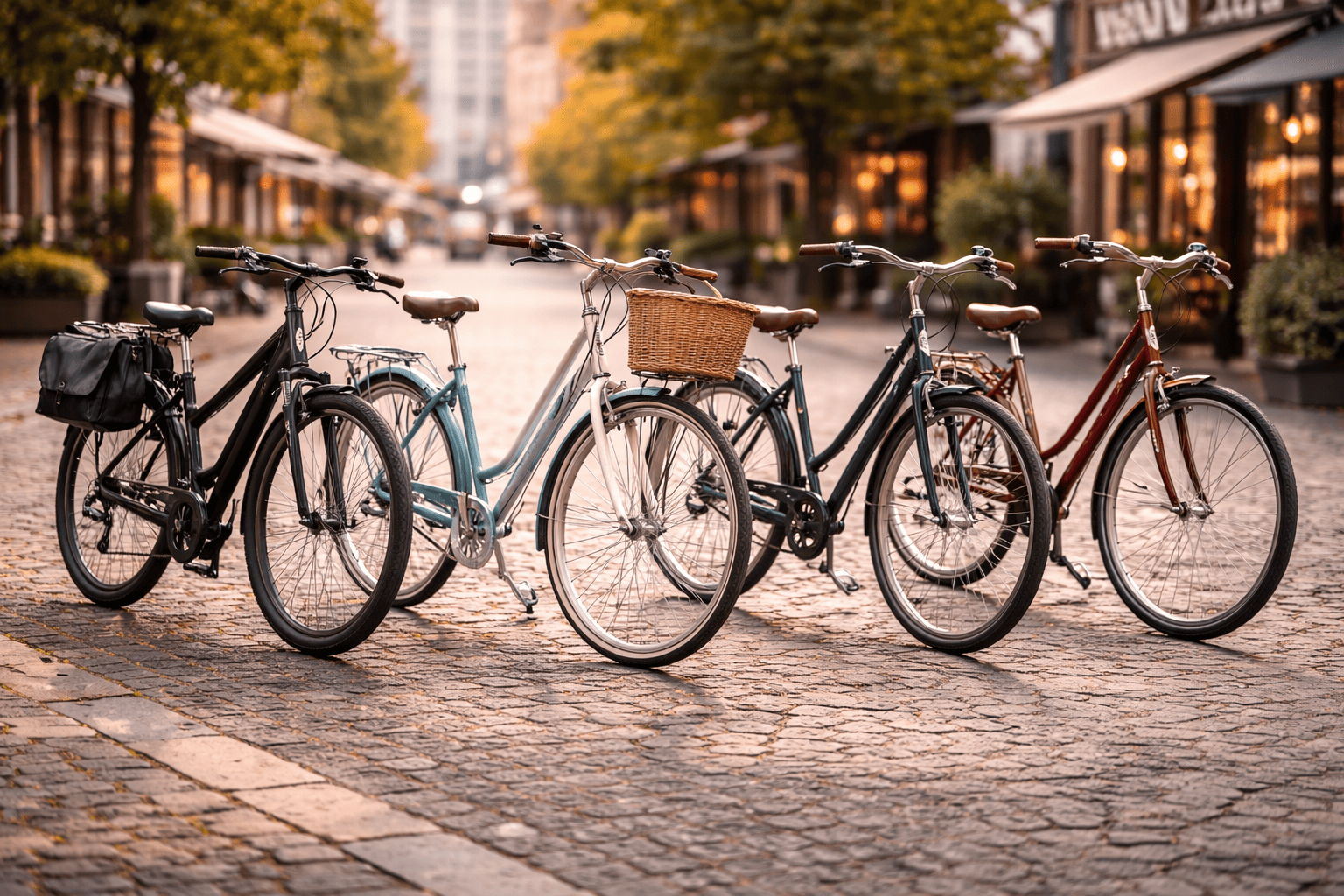
City Bikes

City bikes are built around practical everyday riding: getting to work, running errands, visiting friends, or taking a relaxed ride on paved paths. Their designs vary, though. Some prioritize an upright position and easy mounting, while others feel more like versatile hybrids with a longer reach and a sportier ride. Read more
30 offers from 1 store


Equipment also differs: fenders, lights, a rear rack, a kickstand, and a chainguard may be included, optional, or absent.
Start by thinking about where and how often you ride, what you need to carry, and whether you value comfort, low maintenance, or a lighter and more responsive feel. Frame style, fit, tire width, gearing, and braking all affect how a city bike works in daily use. On SuperBike8, you can compare products and retailer offers; check the exact model, size, and included equipment before choosing an offer. Once you pick one, you continue to the retailer. Ordering, payment, shipping, returns, warranty, and service are handled directly by that retailer.
City bikes are one option within the broader Bikes category. If your routes include more unpaved terrain or you want a drop-bar bike for longer mixed-surface rides, compare the design and intended use with Gravel Bikes. For predominantly paved riding at a faster pace, Road Bikes have a different fit and equipment focus.
What makes a city bike different?
A city bike is generally intended for everyday riding on streets, bike paths, and other relatively smooth surfaces. A comfortable riding position can make it easier to look around in traffic and check over your shoulder. Many designs also allow practical accessories such as a rack, fenders, or lights. These features are not universal, so confirm the specifications rather than relying on the category name or product photos.
“City bike” does not describe one fixed geometry or component package. A step-through frame may make mounting and dismounting convenient, especially when you frequently stop or ride in regular clothing. A traditional diamond frame can feel familiar and may suit riders who prefer that frame layout. Within either style, frame proportions and handlebar position still influence fit, so frame shape alone does not determine whether a bike will feel comfortable.
Also check whether a listing describes a standard bicycle or an electric model. The category name by itself does not establish the motor, battery, or assistance specifications. If electric assistance is important to you, verify that the specific product is an e-bike and review its system details and applicable local rules.
Choose a bike for your routes and routine
For short, mostly flat trips with frequent stops, easy mounting, a comfortable position, and dependable everyday equipment may matter more than a wide gear range. If your commute includes hills, a heavier load, or longer distances, pay closer attention to the gearing, brakes, and how the bike fits when you are riding for an extended time.
Surface conditions should influence tire choice. Tires with more volume can provide a more forgiving ride over rough pavement, but they may feel less quick than narrower tires depending on their construction and pressure. A smoother tread is often appropriate for paved routes; tread with more texture can be useful if your regular route includes loose paths. Check the tire size and available frame clearance if you expect to change tires later. The frame and fork determine what will fit, and a tire that is too wide can rub or interfere with safe operation.
Think through the practical details of your routine. If you ride in wet weather, fenders can help keep spray off your clothing. A rack is useful for a bag or pannier, while a basket may suit lighter, easy-to-reach items if the bike is designed to accept one. A kickstand can be convenient for brief stops, but it is not a substitute for a secure lock. If you plan to carry substantial cargo, verify the rack’s stated capacity and the bike’s compatibility rather than assuming every rack or frame is suitable.
| Riding need | Features to prioritize | What to check |
|---|---|---|
| Short trips with frequent stops | Comfortable position, practical frame access, simple controls | Standover comfort, reach to the bars, and whether useful accessories are included |
| Hilly commute or longer rides | A suitable gear range, comfortable contact points, brakes suited to the bike | Climbing gears, shifting type, brake condition and service requirements for the chosen model |
| Wet-weather riding | Fenders, appropriate tires, dependable braking, visible lighting | Whether fenders and lights are fitted, included separately, or need to be purchased |
| Carrying work or shopping items | Compatible rack or cargo solution and a stable handling setup | Mounting points, stated rack capacity, and whether bags or baskets are part of the offer |
Frame, riding position, and fit
Frame geometry determines how the bike feels as much as the frame material does. A more upright position can feel natural for neighborhood riding and makes it easier to scan your surroundings, but it may create more wind resistance at speed. A longer or lower position can feel more efficient to some riders, yet it may put more weight on the hands or require greater flexibility. Neither position is automatically best; the right choice depends on your body, route, and preferences.
Step-through frames reduce the need to swing a leg high over the rear of the bike, which can be helpful when mounting in work clothes or when stopping often. A diamond frame may suit riders who prefer its familiar shape or a more traditional frame layout. With either design, compare the frame’s size guidance, standover, reach, and handlebar position. A low top tube does not make an incorrectly sized bike fit properly.
City bike sizing varies between manufacturers and even between models from the same brand. Do not assume that a particular frame size means the same thing across brands. Consult the manufacturer’s size chart and use your height and, where requested, inseam measurement. Inseam can help you assess standover, while reach and stack describe important aspects of the distance and height between the saddle area and handlebars. If you are between sizes, compare the geometry and consider how you want the bike to feel rather than choosing only by the size label.
When possible, arrange a test ride or seek a professional fit from a bike shop. You should be able to reach the controls comfortably, steer without feeling stretched, and stop with confidence. Saddle height can often be adjusted, but it cannot correct every mismatch in frame reach or overall geometry. Also check whether the listed frame size applies to the exact frame style you are considering; sizing can differ between step-through and diamond-frame versions.
Gears, brakes, and everyday components
Gearing for your terrain
City bikes may use an external derailleur drivetrain, an internally geared hub, or another configuration. External gears use a cassette or freewheel and a derailleur to move the chain between sprockets. They can provide a broad range of gears, but the chain and drivetrain are exposed to road grime and generally need regular cleaning and lubrication. Some internal gear hubs enclose much of the mechanism, which can reduce exposure to dirt and simplify routine drivetrain care. Their gear range and service needs vary by model, so check the specifications rather than assuming all hubs offer the same performance.
For flat routes, a simple gear setup may be enough. Frequent steep climbs, headwinds, or cargo make low climbing gears more valuable. A wide range can make it easier to spin up hills, while closer gear steps can help maintain a preferred cadence on steadier terrain. A very broad range may add complexity or cost that you do not need if your rides are short and flat. Consider your actual route and how much effort you want to put into routine maintenance.
A belt drive is available on some bicycles and can reduce the need for chain lubrication, but it must be paired with a compatible frame and drivetrain. It is not a drop-in replacement for a chain on every bike. If a listing advertises a belt, confirm the complete drivetrain specification and the replacement parts or service options available to you.
Braking and control
City bikes may use rim brakes or disc brakes. Rim brakes act on the wheel rim, while disc brakes act on a rotor at the hub. The actual stopping feel and maintenance needs depend on the brake model, setup, and conditions. Wet weather, wheel compatibility, and the availability of replacement parts are worth considering. If you already maintain bikes or use a local bike shop, check that the brake type and components suit your service preferences.
Do not compare brakes by name alone. Confirm the specific system listed, and check that any replacement pads or other wear parts are easy for you to source. With disc brakes, rotor size and mounting compatibility matter when replacing components. With rim brakes, the wheel rim must be compatible with the braking system. Follow the manufacturer’s setup and service guidance, and have safety-critical braking problems inspected by a qualified mechanic.
Lights, fenders, and carrying equipment
Lighting may be powered by replaceable or rechargeable batteries, or by a hub dynamo on some models. A dynamo system can provide power while riding, but confirm which lights are supplied and how they operate. A product image may show accessories that are not included in the listed configuration. Check the written specifications for front and rear lights, reflectors, fenders, rack, kickstand, and any lock or cargo accessory you expect to use.
Fenders are especially useful if you ride on wet streets, but they need suitable clearance around the tires and frame. A rear rack can make commuting more comfortable by keeping a bag off your back, although it adds weight and requires compatible mounting points. If the bike does not come with the equipment you need, include the cost and compatibility of those accessories when comparing offers.
Frame material and ride feel
Aluminum is common on city bikes because it can provide a relatively light, corrosion-resistant frame at a range of price points. Its ride feel depends on the frame design, fork, tires, and setup—not just the material. Steel frames can be durable and may have a different feel, but they can weigh more depending on their construction. Material alone does not guarantee comfort or longevity; workmanship, protective finish, component quality, and ongoing care matter too.
Fork material also affects weight, cost, and ride characteristics. A rigid fork is mechanically simple and avoids the added maintenance of suspension. Front suspension may be useful on a bike intended for rougher surfaces, but it adds weight and requires appropriate setup and service. For mostly smooth city streets, wider tires at a suitable pressure can often provide useful comfort without suspension. Check the bike’s intended use before paying for features that do not match your routes.
Regardless of material, keep the frame clean and inspect it for damage after a crash or hard impact. Protect the bike from prolonged exposure to moisture and road salt, and follow the manufacturer’s care instructions. A durable finish and correctly maintained components can matter more to long-term ownership than a material label by itself.
Price comparison and model details
Retailer offers can differ in price, color, frame size, included equipment, and delivery terms. A lower displayed price may apply only to one size or color, so compare the exact version you intend to ride. Similar model names can also refer to different equipment packages or model years. Check the drivetrain, brakes, frame style, and accessory list rather than assuming that two listings are identical.
Previous-year models or older colorways may be priced differently and can still be a sensible choice if the specifications suit you. However, components or frame details can change between model years even when the product name is similar. Compare the year and complete specification, and confirm that the size and color you want are part of the particular offer.
Consider the total cost, not only the bike’s listed price. Shipping costs and sales tax may affect what you pay to the retailer. Some bikes require assembly or adjustment after delivery; check what the retailer says about assembly, delivery, and any setup included with the offer. On SuperBike8, you can compare available products and retailer offers, then continue to the retailer you select. The retailer handles the order and all related payment, shipping, return, warranty, and customer-service matters.
Typical city bike buying mistakes
- Choosing by frame label alone: Sizes vary by manufacturer and frame style. Check the geometry and size chart, not just the number or letter on the listing.
- Buying for an imagined route: A heavy cargo setup or a complex gear range may be unnecessary for short, flat trips, while a minimal setup may frustrate you on hills.
- Assuming accessories are included: Photos may show fenders, a rack, or lights that are not part of the offer. Confirm each item in the specification.
- Ignoring tire clearance: A wider replacement tire may not fit the frame or fenders, even if it is the same wheel diameter.
- Overlooking drivetrain upkeep: Choose gearing and drivetrain type with an honest view of how often you are willing to clean, lubricate, or service the bike.
- Comparing different versions as if they were the same: Model year, size, color, brakes, and component package can all differ between listings.
- Forgetting the delivered-bike setup: Check the retailer’s assembly and adjustment information, especially if you are not comfortable completing setup yourself.
- Focusing on purchase price only: Include shipping, tax, required accessories, and any setup costs when assessing the overall offer.
Three typical buying decisions for City Bikes
1. A comfortable bike for errands and short neighborhood trips
If you make frequent stops and ride mainly on paved streets, prioritize an easy-to-manage riding position, a frame you can mount comfortably, and the practical equipment you will actually use. A simple gear setup can be sufficient on flat routes. Confirm that the listing includes any fenders, lights, or rack you need instead of budgeting on the assumption that they are shown in the photos.
2. A city bike for a hilly or longer commute
For sustained rides or regular climbs, put fit and gearing near the top of your list. Look for low enough gears for your steepest routine hill, controls you can reach comfortably, and brakes and tires suited to your weather and road conditions. A test ride can help you assess hand pressure and riding position; compare the geometry and manufacturer sizing guidance if you cannot ride the exact model first.
3. A practical bike for wet weather and carrying a bag
If you ride through rain or carry work items, compare complete equipment packages rather than bare-bike prices. Fenders, lights, and a compatible rack can make a meaningful difference to daily use. Verify which accessories are included, whether the rack suits your intended cargo, and whether the tires and frame provide clearance for the fenders.
Your checklist before you order
- Confirm that the specific listing is a city bike configuration that suits your intended use.
- Check whether the bike is a standard bicycle or an electric model, if that distinction matters to you.
- Use the manufacturer’s size chart and compare the exact frame style and size.
- Consider inseam, standover, reach, and handlebar height—not only your overall height.
- Verify the model year, color, and complete component specification.
- Compare the gear range with your hills, distances, and expected cargo.
- Check the drivetrain type and the maintenance it is likely to require.
- Confirm the brake type and the availability of compatible replacement parts.
- Check tire size, tread, and clearance for any planned tire or fender changes.
- Confirm whether fenders, front and rear lights, a rack, and a kickstand are included.
- Check rack mounting compatibility and stated capacity if you plan to carry cargo.
- Compare the exact size and color shown in each retailer offer.
- Review shipping costs, sales tax, delivery information, and assembly requirements with the retailer.
- Allow for any accessories or setup work that are not included in the offer.
- Review the selected retailer’s terms for ordering, returns, warranty, and customer service.
Frequently asked questions about City Bikes
What should I look for in a city bike?
Start with a suitable frame size and riding position, then match the gearing, tires, brakes, and equipment to your routes. For everyday use, confirm whether useful items such as fenders, lights, and a rack are included in the exact offer.
Are step-through city bikes only for certain riders?
No. A step-through frame can be convenient for anyone who prefers easier mounting and dismounting, including riders who stop often or wear clothing that makes swinging a leg over the frame awkward. Choose based on fit, comfort, and intended use rather than assumptions about who should ride a particular frame style.
How do I choose the right city bike size?
Use the manufacturer’s size chart for the exact model and frame style. Compare your height and inseam with the chart, and consider reach and standover as well. Size labels are not standardized across brands, so a size that fits on one bike may not fit the same way on another.
Do city bikes come with fenders and lights?
Some do, but equipment varies by model and retailer offer. Check the written specification for fenders, front and rear lights, a rack, and other accessories. Do not assume that an item shown in a product photo is included.
Are internal gears or derailleur gears better for city riding?
Neither is best for every rider. Internal gear hubs enclose much of the mechanism and may suit riders seeking a more protected setup, while derailleur systems can offer a broad range and are familiar to many cyclists. Compare the gear range, maintenance needs, and service options for the specific bike.
Can I compare previous-year city bike models?
Yes. Older model years or colorways may have different retailer pricing and can still meet your needs. Compare the actual year and component specifications because equipment can change even when a model name stays similar.
How does SuperBike8 handle an order for a city bike?
SuperBike8 is a price comparison site where you can compare products and retailer offers. After choosing an offer, you continue to the retailer. The retailer handles ordering, payment, shipping, returns, warranty, and customer service.